Registration is complimentary for all participants.
Keynote & Invited Speakers
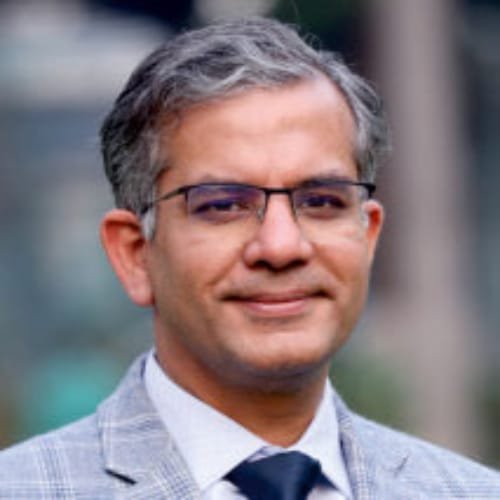
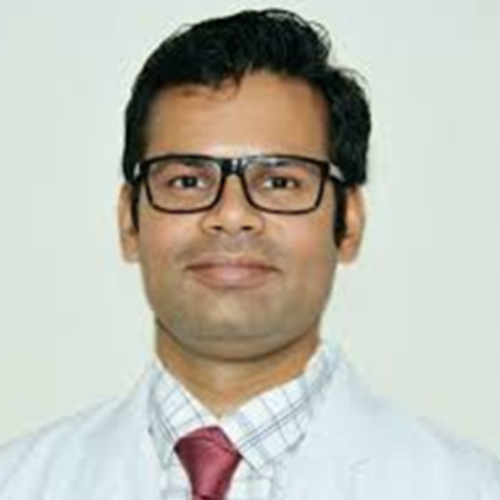
Dr. Vivek Tandon
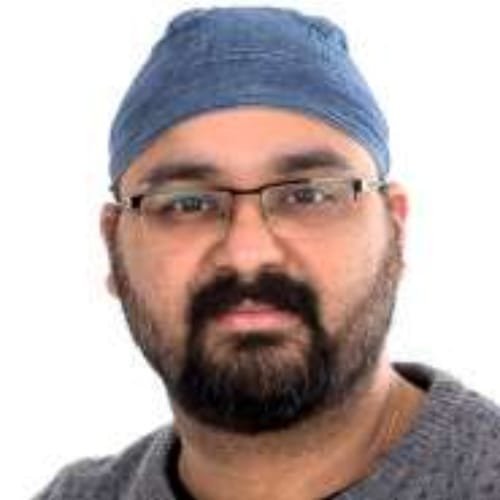
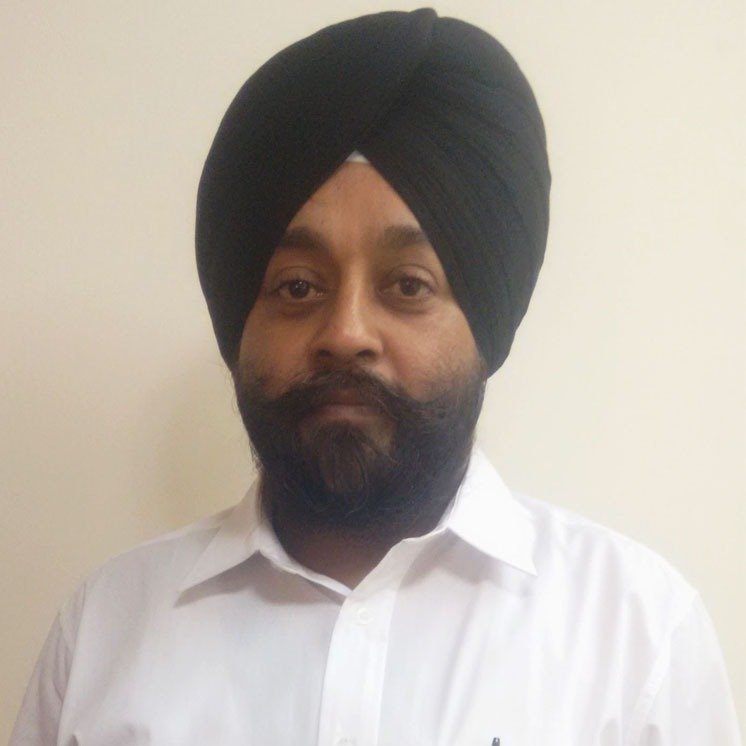
Dr. Balpreet
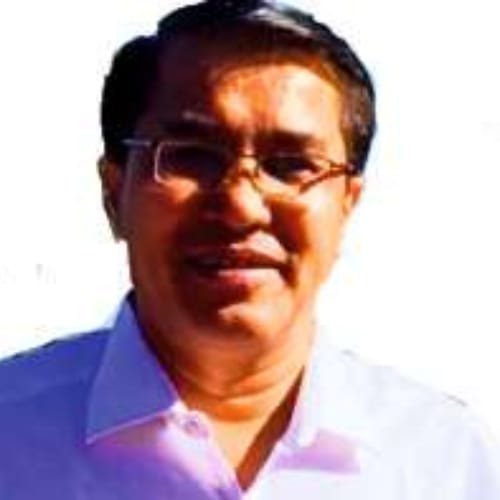
Dr. Dalip Singh Mehta
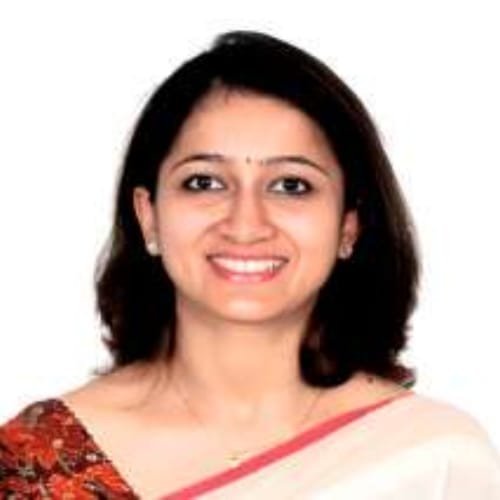
Dr. Deepika Mishra
Dr. Varun Surya
Dr. Dipak sapkota
Dr. Krithika Rangarajan
Dr. Somesh Gupta
Dr. Shashwat Mishra
Dr. Sivarama Krishnan
Prof. Senthil Murugan
Prof joby Joseph
Dr. Harpreet Singh
Dr. Peter so
Prof. Renu John
Dr. Rajan Jha
Hege Kristin Widnes
Dr.Anowarul Habib
Dr. Azeem Ahmad
Dr. Ankit Butola
Dr. Tushar Sehgal
Dr. Uttam M pal
Mr. Arvinn Gadgil
Mr. Arvinn Gadgil (chargé de affairs , Norway Embassy) has served as Director of the UNDP Global Policy Centre for Governance. He has been the Policy Director for International Development Policy at the Norwegian Ministry of Foreign Affairs and served as State Secretary in the same ministry.
Dr. Vivek Tandon
Dr. Vivek Tandon Distinguished Professor of Neurosurgery and institutional leader with over two decades of experience at AIMS, New Delhi. Renowned for expertise in neuro-oncology, and minimally invasive spine surgery. Currently driving institutional-scale digital transformation as Professor In-Charge of the Computer Facility. An academic leader serving as Editor-in-Chief of the Indian Journal of Neurotrauma, with a strong research footprint reflected in an h-index of 18 and over 980 citations.
Dr. Balpreet Singh Ahluwalia
Dr. Balpreet Singh Ahluwalia is a distinguished biophotonics researcher whose work is transforming how biological systems are visualized and quantified. A Professor at UiT The Arctic University of Norway-and Professor-Il at the University of Oslo, he is internationally recognized for pioneering chip-based optical microscopy and nanoscopy technologies that deliver high-resolution, cost-effective imaging for life sciences. He also serves as Chier Scientific Officer of Chip Nanoimaging AS, translating photonics innovations into practical biomedical tools. His research bridges physics, engineering, and biology, with a focus on quantitative phase imaging, integrated photonic sensors, and real-time visualization of sub-cellular processes. His recent efforts on photonic platforms for pathogen detection and diagnostic applications align closely with emerging needs in genomics-driven and AI-enabled healthcare.
Dr. Dalip Singh Mehta
Dr. Dalip Singh Mehta is a Professor (HAG) in the Department of Physics at the Indian Institute of Technology Delhi, with extensive research contributions in the field of biophotonics, biomedical optical imaging, and optical metrology. His research focuses on the development of advanced optical technologies such as Optical Coherence Tomography, label-free quantitative phase microscopy, multimodal optical imaging, and spectroscopic point-of-care devices for rapid screening and early detection of oral and cervical cancers. He has also contributed significantly to innovations in green photonics and laser-based technologies. Dr. Mehta has authored more than 200 research papers in international refereed journals and over 240 conference publications, and holds multiple patents with technologies transferred to industry. His work has played a key role in advancing optical diagnostic tools and AI-assisted imaging systems for biomedical applications, while mentoring numerous PhD and postgraduate researchers in cutting-edge photonics and biomedical imaging research.
Dr. Deepika Mishra
Dr. Deepika Mishra is a Professor in the Division of Oral Pathology and Microbiology at the Centre for Dental Education and Research, AIIMS, New Delhi, with extensive expertise in oral cancer diagnostics, artificial intelligence assisted pathology, and molecular research. Her work focuses on developing innovative approaches for early detection of tobacco-related oral lesions by integrating AI, molecular biology, and clinical pathology. She has played a key role in creating AI-enabled datasets for oral lesion analysis in collaboration with institutions such as ICMR, IISc Bengaluru, IIT Delhi, and CSIR, and has contributed to the development of tele–oral pathology platforms for remote consultation and education. She currently leads multiple funded research projects and actively mentors postgraduate and PhD scholars. She has received several national and international awards and is actively involved in professional organizations, policy initiatives for oral cancer screening, and community-based tobacco cessation and oral cancer awareness programs.
Dr. Varun Surya
Dr Varun Surya is an Assistant Professor at the All India Institute of Medical Sciences (AIMS), New Delhi. His work lies at the intersection of oral cancer, digital pathology, and artificial intelligence, with a strong translational emphasis on early detection and the development of scalable screening solutions for low-resource settings. His research portfolio spans AI-driven screening tools, stem cell-based interventions for oral submucous fibrosis, label-free multimodal microscopy for cancer diagnosis, and molecular characterisation of jaw tumours and cysts. Dr Surya has played a key role in establishing computational and NABL-accredited oral pathology laboratories at AIMS, New Delhi, and in contributing to national initiatives on medical imaging datasets, data privacy, and the ethical deployment of artificial intelligence in healthcare.
Dr. Dipak sapkota
Prof. Dipak Sapkota is a Professor in the Department of Oral Biology, Faculty of Dentistry, at the University of Oslo, Norway. His research focuses on the molecular mechanisms underlying oral potentially malignant disorders and oral cancer, including gene expression, microRNA regulation, and tumor biology, with an emphasis on translational applications for diagnosis and prognosis. He has extensive experience in cancer biomarker research and has authored numerous peer-reviewed publications in international journals. Prof. Sapkota is also actively involved in international collaborations and academic editorial activities in oral pathology and oral cancer research.
Dr. Krithika Rangarajan
Dr. Krithika Rangarajan is an Associate Professor in the Department of Diagnostic and Interventional Oncoradiology at AIIMS Delhi and serves as the Principal Investigator (AIIMS) for the Centre of Excellence for AI in Health. She holds an MD from AIIMS Delhi and a PhD from IIT Delhi, along with a DNB, FRCR, and a post-doctoral fellowship from IIT Delhi focused on deep learning in medical imaging. She has been recognized with several prestigious honors, including the “Young Innovator and Practicing Clinician” award by JIPMER, Pondicherry during Research Day 2023, and a fellowship in Medical Applied Research and Practice by the French Embassy in India. She was also selected for the Editorial Review Fellowship of European Radiology, being one of only ten candidates chosen worldwide. Dr. Rangarajan has numerous high-impact publications in the field of AI in imaging and has successfully led several grants aimed at developing fully open-source AI networks to address public healthcare challenges.
Dr. Somesh Gupta
Dr. Somesh Gupta, Professor in the Department of Dermatology and Venereology at the All India Institute of Medical Sciences New Delhi, is a renowned clinician-scientist with significant contributions to dermatology, dermatologic surgery, and sexually transmitted infections (STIs). He serves as a member of the STI Guidelines Development Group and expert group on STI research priorities at the World Health Organization, and is the Chairperson of the National Working Group on STI/RTI Guidelines constituted by the National AIDS Control Organization. A three-time recipient of the AIIMS Excellence Award, he has also served as a Director of the Dermatology, Aesthetics and Surgery International League. Dr. Gupta has been invited to over 40 countries for academic engagements, including as a visiting professor at the University of Michigan, and has authored more than 350 indexed publications along with several international books, reflecting his substantial contributions to dermatology research, innovation, and global health.
Dr. Shashwat Mishra
Dr. Shashwat Mishra is Professor in the Department of Neurosurgery at All India Institute of Medical Sciences, New Delhi. His clinical and research interests focus on open skull base surgery and cerebrovascular neurosurgery, with extensive experience in managing complex brain and cranial pathologies. He is actively involved in translational and interdisciplinary research aimed at developing cost-effective surgical technologies and imaging tools, including fluorescence-based intraoperative visualization systems, microsurgical instruments, and AI-enabled imaging datasets. Dr. Mishra has led and collaborated on several funded projects, including initiatives with Indian Institute of Technology Delhi, to advance neurosurgical innovation and improve surgical outcomes.
Dr. Sivarama Krishnan
Dr. Sivarama Krishnan is Professor in the Department of Physics at Indian Institute of Technology Madras. He obtained his Ph.D. from the Max Planck Institute, Germany, and works in the field of ultrafast laser–matter interactions and nanoscale physics. His research focuses on probing dynamics in nanoscale systems using femtosecond and attosecond laser pulses, studying nanoplasma formation and nanoscale superfluidics in helium nanodroplets, and developing next-generation photonics and photolithography sources including extreme ultraviolet (EUV) and X-ray sources. He is also associated with the Quantum Center for Diamond and Emergent Materials at IIT Madras and collaborates with international laboratories and synchrotron/free-electron laser facilities to explore quantum dynamics and advanced imaging techniques. He has authored numerous publications in leading journals in ultrafast optics, nanoplasma physics, and laser science
Prof. Senthil Murugan
Prof. Senthil Murugan Ganapathy received his Ph.D. in Photonic Materials in 2001 from the Indian Institute of Science, Bangalore. He completed post-doctoral research at the University of Bordeaux, France and Toyota Technological Institute, Japan from 2001 to 2005. In 2005, he joined the Optoelectronics Research Centre at the University of Southampton, where he is currently a Professor, Head of the Integrated Photonic Devices Group, and Deputy Head of School (Education), and also serves as an Adjunct Professor at IIT Madras. His research focuses on photonic materials and systems, particularly mid-infrared devices for applications such as biomedical sensing, spectroscopy, environmental monitoring, and optical communications. He has published over 300 research papers, holds several patents, secured more than £8 million in research funding, and established a major Mid-IR characterization facility at Southampton.
Prof joby Joseph
Prof. Joby Joseph is Professor at IIT Delhi and was the founding Head of the Optics and Photonics Centre. He obtained MTech and PhD from IIT Delhi and has been a teaching faculty at IIT Delhi since 1996. He worked as Senior Optical Engineer at Aprilis Inc., Maynard, MA, USA, towards the development of an ultra-high density holographic digital data storage device. Before joining IIT Delhi, he carried out post-doctoral research at Kobe University, Japan and Univ. of Massachusetts, Boston, USA. Prof.
Joseph's research interests include Photonics, Optical image processing, Holographic data storage,
Digital Holography, Optical data security,
Interference lithography, Photonic crystals & metamaterials fabrication,
Biosensor, Super-resolution imaging Nanoscopy etc.
Dr. Gopinath P
Bio content for Dr. Gopinath P will be placed here.
Dr. Harpreet Singh
Dr. Harpreet Singh is a Scientist at the Indian Council of Medical Research with over 22 years of experience in bioinformatics, health data systems, and research program coordination. He obtained his PhD in Bioinformatics from Jawaharlal Nehru University and completed postdoctoral research in computational biology and next-generation sequencing at Cornell University. His work spans the development of widely used vaccine design tools such as Propred, large-scale NGS data analysis pipelines, and coordination of national biomedical informatics initiatives including the ICMR Biomedical Informatics Centres and the ICMR-AIIMS Computational Genomics Centre. He has played a key role in developing national health research data systems such as the National COVID-19 Testing Database and in shaping the ICMR Policy on Health Research Data Management. Dr. Singh has authored 168 peer-reviewed publications, holds 10 copyrights for bioinformatics tools and databases, and has contributed several book chapters in the field.
Dr. Peter so
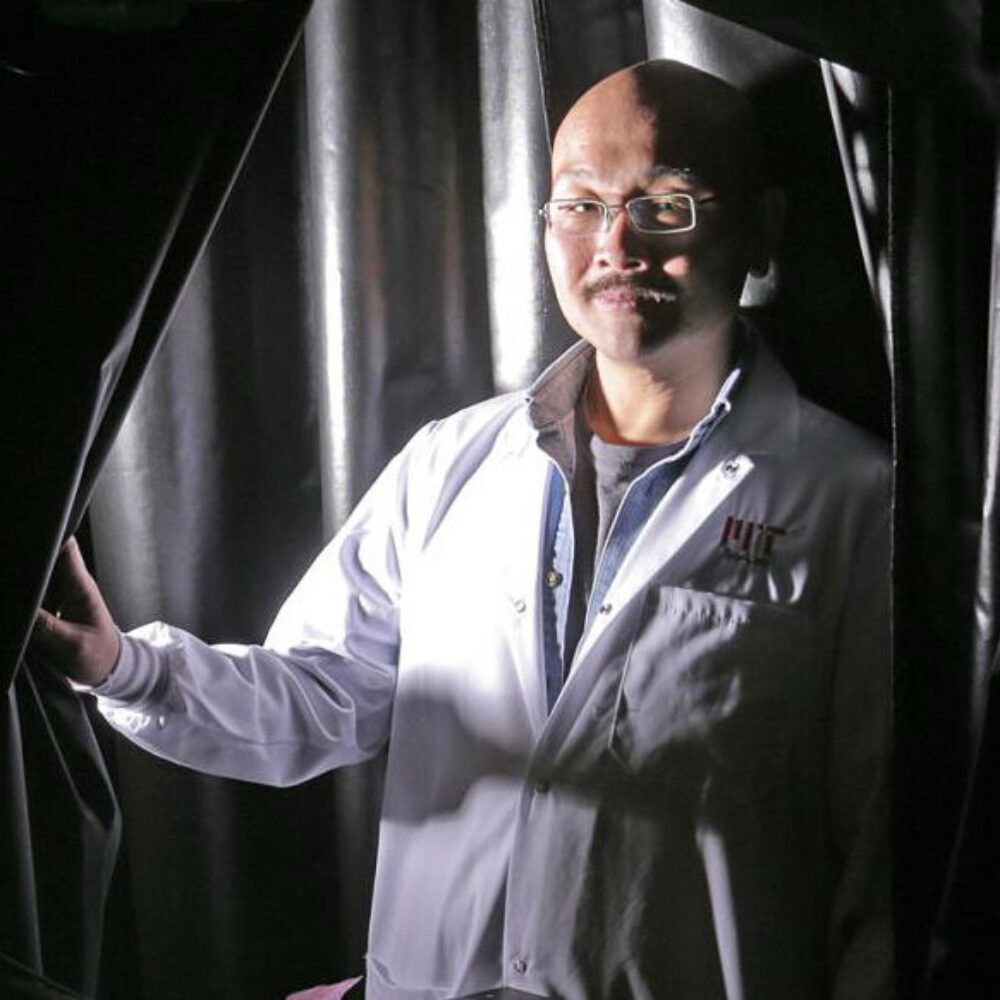
Dr. Peter So holds a bachelor’s degree in Physics and Mathematics from Harvey Mudd College and earned his PhD in Physics from Princeton University. He conducted postdoctoral research at the Laboratory for Fluorescence Dynamics at the University of Illinois at Urbana-Champaign before joining Massachusetts Institute of Technology (MIT) in 1996 as an Assistant Professor in the Department of Mechanical Engineering. Since 2000, he has also served as Associate Director of the Whitehead-MIT BioImaging Center. His research focuses on developing advanced microscopy instrumentation and applying these technologies to biomedical challenges, spanning studies from single-protein structure and function to the development of non-invasive optical methods for cancer diagnosis across molecular, cellular, and tissue levels.
Prof. Renu John
Prof. Renu John is a Professor in the Department of Biomedical Engineering at Indian Institute of Technology Hyderabad, with a PhD in Physics (Optics) from Indian Institute of Technology Delhi. His research focuses on biomedical imaging, optical coherence imaging, biosensors, nanotechnology, and medical device development. He previously held research positions at Duke University and the University of Illinois Urbana-Champaign before joining IIT Hyderabad in 2010. Prof. John is the Co-Founder and Head of the Center for Healthcare Entrepreneurship at IIT Hyderabad, where he promotes affordable healthcare innovations and translational medical technologies. He has authored over 100 international journal publications, holds several patents, and has guided multiple PhD scholars in biomedical engineering and photonics-based healthcare technologies.
Dr. Rajan Jha
Dr. Rajan Jha is a Professor in the School of Basic Sciences at Indian Institute of Technology Bhubaneswar working in the field of optical physics and nanophotonics. He obtained his Ph.D. in Physics from Indian Institute of Technology Delhi in 2007 and previously worked as an ICFO Fellow at the Institute of Photonic Sciences, Barcelona. His research focuses on photonic nanostructures, nanowaveguides and resonators, quantum and semiclassical interferometers, plasmonics, structured light, flexible and wearable photonics, and optical instrumentation for industrial applications. He teaches courses including Optics and Photonics, Electrodynamics, and Physics and Technology of Lasers. Prof. Jha has published extensively in leading journals in optics and photonics, holds several patents in optical sensing technologies, and serves as Associate Editor of the IEEE Sensors Journal. His work has earned several recognitions including the ICO-ICTP Gallieno Denardo Award, SERB-STAR Fellowship, and inclusion among the world’s top 2% scientists by Stanford University.
Hege Kristin Widnes
Hege Kristin Widnes is a Senior Adviser in the International Cooperation Section at UiT – The Arctic University of Norway, based in Tromsø. She specializes in internationalisation of higher education, with extensive experience in EU applications, external research funding, and global academic partnerships. Her work focuses on mobility programmes, North–South collaboration initiatives (including NORHED), and strengthening institutional cooperation across regions such as the Global South. She provides strategic support for research funding, international collaboration, and capacity-building projects, contributing to the development of globally connected academic ecosystems.
Dr.Anowarul Habib
Dr. Anowarul Habib is a researcher at the Department of Physics and Technology at UiT The Arctic University of Norway, where his work focuses on ultrasonics, acoustic imaging, and advanced sensing technologies. His research combines experimental and computational approaches to study wave propagation, ultrasonic transducers, and structural health monitoring, with applications in materials science and biomedical imaging. He has co-authored several peer-reviewed publications in journals such as Ultrasonics, Sensors, Scientific Reports, and IEEE Access, contributing to areas including acoustic wave simulation, machine learning–based ultrasonic imaging, and quantitative microscopy techniques.
Dr. Azeem Ahmad
Dr. Azeem Ahmad is a Researcher in the Ultrasound, Microwaves and Optics group at the Department of Physics and Technology, Faculty of Science and Technology, UiT The Arctic University of Norway, Tromsø. His research focuses on optical imaging, quantitative phase microscopy, and acoustic microscopy, with contributions spanning computational imaging, interferometry, and biomedical applications. He has authored numerous peer-reviewed publications in leading journals such as Scientific Reports, Applied Optics, and Biomedical Optics Express, covering topics including high-throughput quantitative phase imaging, deep learning–assisted microscopy, and acoustic imaging techniques. Dr. Ahmad is actively involved in interdisciplinary research collaborations and has secured competitive funding, including support from the Research Council of Norway for advanced microscopy research projects
Dr. Ankit Butola
Dr. Ankit Butola is a Research Associate Professor at the Department of Automation and Process Engineering at UiT The Arctic University of Norway, where he leads the Biophotonics Research Group. His work focuses on developing advanced optical and photonic systems for applications in biology, medicine, and interdisciplinary research. His research integrates biophotonics, microscopy, and optical system engineering, with particular expertise in quantitative microscopy, super-resolution imaging, label-free tomography, and computational imaging. As a Principal Investigator, he leads Research Council of Norway (RCN) projects on on-chip morpho-molecular tomography and actively fosters collaborations while supervising student research projects. Dr. Butola’s competencies span optical instrumentation, advanced microscopy techniques (including QPI, SIM, OCT, and fluorescence imaging), and computational tools such as MATLAB and ZEMAX, alongside applications in bioimaging areas like IVF, liver cells, and marine biology.
Dr. Tushar Sehgal
Dr. Tushar Sehgal is an Associate Professor at the All India Institute of Medical Sciences New Delhi with expertise in hematopathology and diagnostic hematology. He holds an MD and DM in Hematopathology and has completed an International Fellowship from the Royal College of Physicians, London. His clinical and research interests include hematology and coagulation disorders, artificial intelligence in diagnostics, and integrated diagnostic approaches for improving disease detection and patient care.
Dr. Uttam M pal
Dr. Uttam M. Pal is an Assistant Professor at the Indian Institute of Information Technology, Design and Manufacturing (IIITDM) Kancheepuram, specializing in medical optics, biomedical imaging, and optical instrumentation for early cancer diagnosis. His research primarily focuses on the design and development of optical diagnostic devices, including multispectral imaging probes, diffuse reflectance spectroscopy systems, and polarization-based imaging tools for early detection of cancers such as cervical, breast, and oral cancer. He leads the Light Engineering and Applied BioPhotonics (LEAP) Lab, where his team develops portable, non-invasive, and AI-enabled optical probes for clinical and intraoperative cancer detection, particularly suited for low-resource settings. Dr. Pal has contributed to the development and clinical validation of novel biomedical imaging systems, holds multiple patents, and has authored several peer-reviewed publications in leading biomedical optics and engineering journals. He is currently leading and collaborating on multiple ICMR, ANRF, and DBT funded projects aimed at advancing translational optical technologies for early disease detection and improved clinical diagnostics.
Hege Kristin Widnes
Hege Kristin Widnes is a Senior Adviser in the International Cooperation Section at UiT – The Arctic University of Norway, based in Tromsø. She specializes in internationalisation of higher education, with extensive experience in EU applications, external research funding, and global academic partnerships. Her work focuses on mobility programmes, North–South collaboration initiatives (including NORHED), and strengthening institutional cooperation across regions such as the Global South. She provides strategic support for research funding, international collaboration, and capacity-building projects, contributing to the development of globally connected academic ecosystems.
Dr. Jesil Jose
Dr. Jesil Jose is a Research Scientist at SINTEF Digital in Oslo, working within the Smart Sensors and Microsystems division. His research focuses on advanced photonics, plasmonics, and optical sensing technologies, with applications spanning nanotechnology and biomedical diagnostics. He has contributed to several high-impact scientific publications, including work on metasurfaces, Raman spectroscopy, and SERS-based optical sensors. Jesil has also been affiliated with leading research institutions such as the University of Duisburg-Essen, reflecting a strong international research background in nanophotonics and applied physics.
1
Select Package
2
Personal Details
3
Payment
4
Confirmation
Select Your Registration Package
Conference Registration
INR 5000
ISSEM Member Rate
Full access to all conference sessions on 11th-12th April 2026
Workshop Registration
INR 3000
Pre-conference Workshop
Access to pre-conference workshop on 10th April 2026